
Describe the real problem
Uneven temperatures, noise or concerns about aging equipment help frame the consultation.
Indoor comfort
Bring the rooms, existing equipment and daily routine into one conversation before deciding on a heating or cooling replacement.
Service fit, location and delivery capacity are confirmed during discovery.
A better starting point
Uneven temperatures, noise or concerns about aging equipment help frame the consultation.
Equipment, ductwork, electrical needs and installation access may affect the proposal. Not every component needs the same intervention.
The qualified provider should assess sizing and explain the proposed model, controls, installation work and documentation.
Possibilities & boundaries
Equipment sizing and suitability require assessment by the responsible qualified provider.
Visual ideas
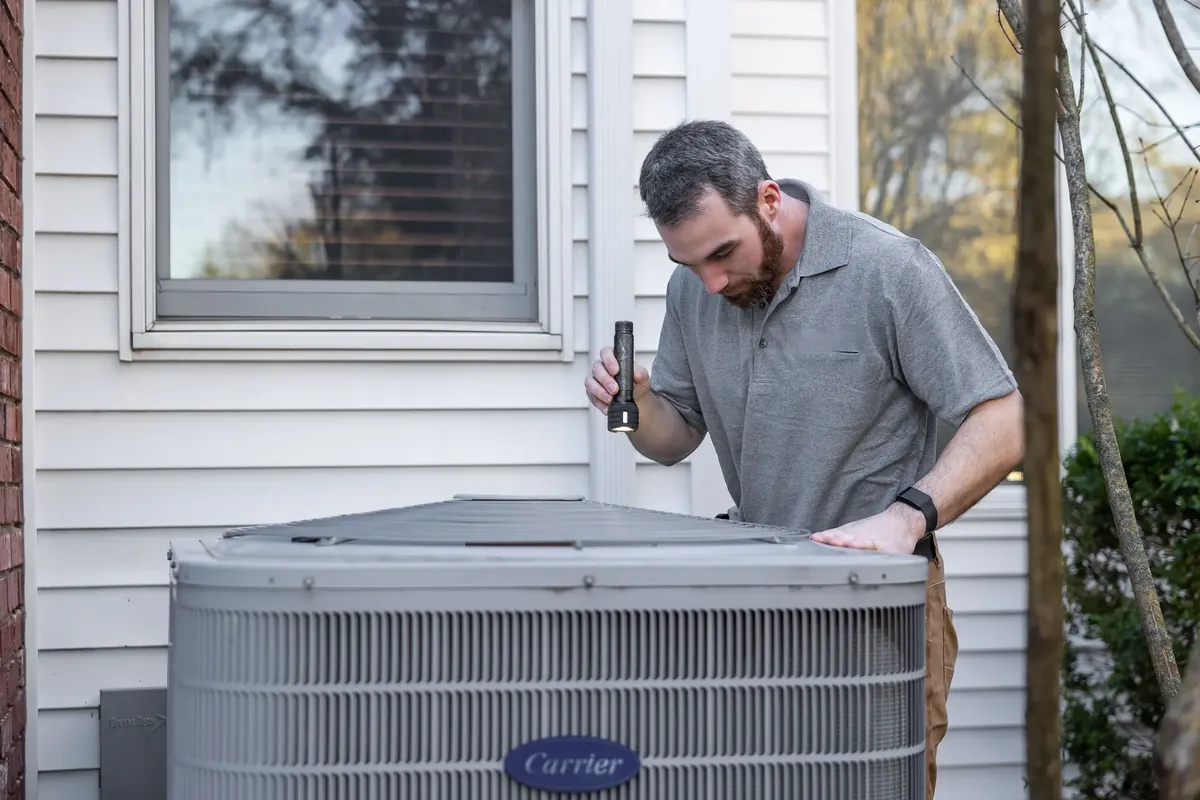
Licensed reference photography helps start the conversation. It is not evidence of Celeste project delivery.
Your heating & cooling journey
Start with temperature differences, noise, controls and equipment history. A replacement decision should respond to the actual concern rather than assume every component needs replacing.
Share rooms and times when comfort is difficult, existing model information and service records if available.
A comfort brief and equipment history to investigate.
The responsible qualified provider reviews equipment suitability and sizing, ducts where included, controls, electrical needs and access. Product discussion should explain the proposed system and the assessment supporting it.
Make agreed equipment areas accessible and ask which parts of the existing system would remain.
Assessment findings, sizing rationale and a defined installation boundary.
Review actual models, controls, installation work and whether duct or electrical changes are included. The proposal identifies removal, exclusions, payment terms and applicable provider documentation; it does not promise a general energy saving.
Compare the complete installed scope and ask about any work assigned to another provider.
An equipment schedule and written proposal with trade responsibilities.
Confirm required approvals, final equipment availability, delivery access and the expected interruption to heating or cooling. Resolve any prerequisite electrical, duct or site work in the agreed plan.
Plan for the stated service interruption and prepare the access routes.
A readiness record and installation sequence from the delivery team.
The named provider completes the agreed removal and installation, adjusts the specified controls and records the operational checks included in scope. New conditions require a documented decision before extra work.
Stay available for changed conditions and the controls demonstration.
Installation records, identified models and completed operational checks.
Review how to operate the system and follow the selected equipment’s care instructions. Collect model details, applicable warranty documents and the contacts responsible for service and outstanding work.
Practice the controls and ask what maintenance is expected of you.
Operating guidance, maintenance information and support responsibilities.
Use these as a starting point. The assessment and written agreement settle the details for your home.
Sizing needs a qualified assessment of the property and conditions. It should not be guessed from a single room count or general rule.
Only when the written scope says so. Existing duct conditions and proposed work must be evaluated.
The model information, operating guidance, applicable warranty documents and contact information for service responsibilities.
One conversation to begin
A five-minute exploratory call helps clarify fit. A free professional consultation follows when availability is confirmed.
No booking, price or financing approval is confirmed through this website.