
Start with usage
Review actual household usage with your permission. A system should be discussed in context, not sold through a universal savings claim.
Energy planning
Explore solar through the realities of your home: energy use, roof condition, site suitability and the full commercial proposal.
Service fit, location and delivery capacity are confirmed during discovery.
A better starting point
Review actual household usage with your permission. A system should be discussed in context, not sold through a universal savings claim.
Roof condition, usable areas and site constraints matter before equipment and production estimates.
Understand the provider, system, price, ownership or financing structure, interconnection responsibilities and assumptions.
Possibilities & boundaries
Provider availability, interconnection, pricing and terms are unverified for a general public offer. No savings, credit or production guarantees.
Visual ideas
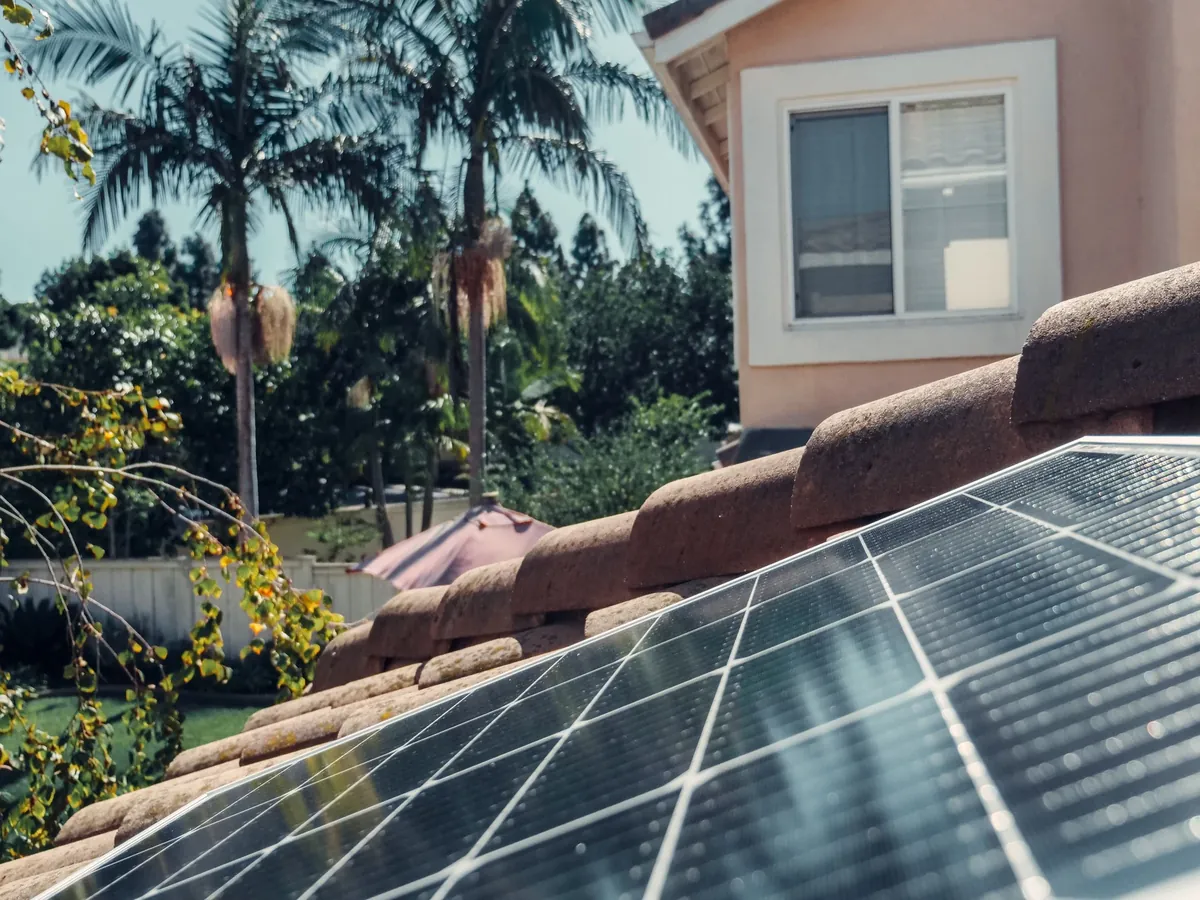
Licensed reference photography helps start the conversation. It is not evidence of Celeste project delivery.
Your solar journey
Discuss household energy use, potential future changes and what matters most. Usage offset and resilience are different goals; backup capability is not assumed in a standard solar scope.
Share utility information only with your permission and explain planned changes in household use.
A documented energy brief with authorized information sources.
The provider assesses usable roof areas, condition, shading, access and relevant service conditions. Discuss proposed equipment and the assumptions behind any estimate rather than treating an illustration as a guarantee.
Share available roof records and ask what roof or electrical work would be needed first.
Site suitability findings and unresolved system or prerequisite checks.
Identify the provider, equipment, project price, ownership or financing structure and interconnection responsibilities. Any production or savings estimate must state its assumptions; financing, incentives and tax outcomes require separate verification.
Review payment obligations, included work and exclusions, and seek qualified advice on personal financial or tax questions.
A defined system proposal and transparent commercial assumptions.
Confirm required design approvals, any roof or electrical preparation, equipment choices and the utility process with the actual provider. Installation readiness and permission to operate are distinct milestones.
Complete agreed documents and decisions and understand who handles each approval.
An approval and readiness plan with named responsibilities.
The delivery provider follows the approved scope, documents changes and completes the required installation checks. Operating or export permissions follow the applicable provider and utility process; installation alone does not prove permission.
Maintain access and review any scope changes through the agreed contact.
Installation documentation and a record of remaining activation steps.
Review the delivered system, any available monitoring and applicable care instructions. Collect equipment and warranty documents and distinguish installer support from utility or financing questions.
Ask what the system can do, which costs remain and where to report an issue.
System documentation, support contacts and any outstanding activation items.
Use these as a starting point. The assessment and written agreement settle the details for your home.
No such guarantee is made here. Any estimate must explain usage assumptions, utility charges and the specific system.
No. Eligibility and rules must be checked for the individual situation with qualified advice; no tax benefit is promised.
Backup capability is not assumed in a solar proposal. Ask the actual provider to identify any additional equipment and the supported operating conditions.
One conversation to begin
A five-minute exploratory call helps clarify fit. A free professional consultation follows when availability is confirmed.
No booking, price or financing approval is confirmed through this website.